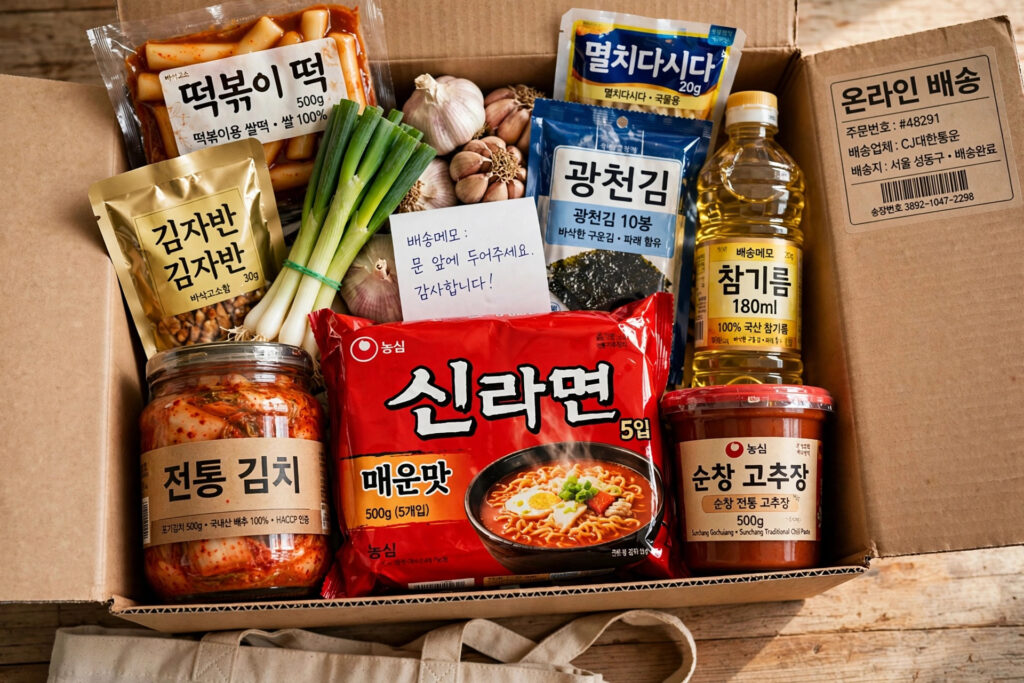
H Mart is the easiest place in Seattle to start cooking Korean food at home, but the first visit can feel overwhelming. The aisles are long, many labels are in Korean, and the kimchi section alone can stop a first-timer for ten minutes. This guide gives you a simple plan: which store to pick, what to buy first, and what to skip until your second trip.
The short answer is this: start at the downtown Seattle store if you want a quick first trip, and go to Lynnwood if you want the full experience with a food court. Bring a list, start with five pantry staples, and finish at the banchan counter. You do not need to understand every label to leave with a good dinner.
H Mart Seattle: Which Store Should You Visit First?
Seattle has more than one H Mart, and they are not the same size. The downtown store at 1601 2nd Ave, Seattle, WA 98101 is compact and easy to reach by bus or light rail, with posted hours of 8 a.m. to 9:30 p.m. on most days and 8 a.m. to 9 p.m. on Sundays (phone: (206) 677-0345, check hmartus.com before you go, since hours can change). The Lynnwood store, north of Seattle, is much larger and includes a food court and specialty shops under one roof, so plan extra time there. Other Puget Sound locations include Bellevue, Federal Way, Redmond, and Tacoma, and a Ballard location was in preparation as of early 2025.
H Mart began in Queens, New York, in 1982 and now runs more than 97 stores across the United States. In the Seattle area it is a Korean supermarket first, but the aisles also carry Chinese, Japanese, and other Asian groceries, plus international snacks and drinks. That mix is exactly why it works for beginners: you can buy Korean staples and everyday groceries in one trip.
What Should You Buy on Your First Trip?
Do not try to buy everything at once. Start with five staples that unlock the most Korean home cooking: gochujang (Korean chili paste), doenjang (soybean paste), soy sauce, sesame oil, and short-grain rice. With those five, plus garlic, green onions, and eggs, you can cook bibimbap, doenjang soup, and simple stir-fries in your first week.
Next, add one ready-made helper: a container of kimchi from the refrigerated section, or banchan (small side dishes) sold by weight at the deli counter. Banchan turns plain rice into a real meal with almost no cooking, which makes it the best first purchase for a busy weeknight. If you are unsure which kimchi to pick, start with a small container of classic napa cabbage kimchi and note the brand you liked.
How Do You Read Labels You Cannot Read?
Many packages show English somewhere on the label, but not always on the front. Turn the package over and look for the English ingredient list, the cooking directions, and the weight. Photos on the package usually tell you what the food is, and the refrigerated and frozen sections are organized by dish type, so similar products sit together.
When in doubt, take a photo of the package and use your phone’s translation tool on the Korean text. Staff can also help, and asking “which one is less spicy?” is a perfectly normal question at the chili paste shelf. Gochujang varies by brand: some are sweet and mild, others are much hotter, so start with a smaller container until you know your preference.
What Is Worth Buying in Each Section?
| Section | Buy first | Save for later |
|---|---|---|
| Pantry aisle | Gochujang, doenjang, soy sauce, sesame oil, rice | Specialty sauces and dried seafood |
| Refrigerated section | Kimchi, tofu, banchan | Fermented pastes you have not tried yet |
| Meat and seafood | Thinly sliced beef for bulgogi, pork belly | Whole fish unless you have a plan for it |
| Frozen aisle | Mandu (dumplings), frozen rice cakes | Large packs of anything you have not tasted |
| Snack aisle | One or two snacks to try | A whole cart of snacks on trip one |
The ramen aisle deserves a warning: it is huge, and it is easy to leave with twenty packs you did not plan to buy. Pick two or three varieties first, including one mild and one spicy, and learn which brands you like before stocking up. The same rule applies to drinks and snacks, where new Korean products appear often.
Should You Eat at the Food Court?
Yes, especially on your first visit to the larger Lynnwood store. The food court is a low-risk way to taste Korean dishes before you try cooking them: you can see the food, order in English, and learn what you actually like. If you enjoy a dish there, buy its main ingredients on the same trip and cook a simpler version at home that week.
The food court also solves the “what is for dinner tonight” problem on shopping day itself. Eat first, then shop with a full stomach and a clearer list. Shoppers who eat first tend to buy less on impulse, and that matters in a store where the snack aisle is designed to tempt you.
How Do You Get There Without a Car?
The downtown store is the easiest without a car, since it sits near downtown bus routes and light rail stations around Westlake. If you take the bus, check the current route before you go, because several routes stop within a few blocks. For the Lynnwood store, driving is simpler, but buses also serve the area; allow extra time for the trip and for the larger store itself.
An ORCA card makes bus and light rail trips simpler across the Seattle area, and our ORCA guide explains how to get and load one. If you are carrying frozen food home on transit, bring an insulated bag, especially in summer.
What Mistakes Do First-Timers Make?
The most common mistake is buying too much at once. Korean pantry ingredients last a long time, so there is no need to stock a whole shelf on day one. The second mistake is buying the largest size of something untried, like a family-size kimchi container, before knowing whether you like that brand’s flavor. Start small, keep a note of brands you liked, and build your pantry over three or four trips.
The third mistake is skipping the produce section. Korean cooking uses a lot of fresh garlic, green onions, mushrooms, perilla leaves, and Korean radish, and H Mart’s produce section carries varieties that regular supermarkets often do not. If a recipe calls for an unfamiliar vegetable, the produce section is usually where you will find it, and staff can point you to it.
Frequently Asked Questions
Do I need to speak Korean to shop at H Mart?
No. Most signs and many labels include English, staff can help in English, and the food court takes orders in English. A phone translation tool covers the rest.
Is H Mart expensive compared with a regular supermarket?
Korean specialty items can cost more than at a regular supermarket, but prices are reasonable for imported and specialty groceries, and staples like rice, tofu, and kimchi are often good value. Compare a few prices on your first trip before judging.
Which store is best for a first visit?
Downtown Seattle is best for a quick first trip without a car. Lynnwood is best if you want the full experience, including the food court, and you have a car and extra time.
What is banchan, and how do I buy it?
Banchan are small Korean side dishes served with rice, such as seasoned spinach or pickled vegetables. At H Mart they are sold from the deli counter, often by weight, so you can buy a small amount of several kinds to try.
Can I order H Mart groceries online?
H Mart runs an online store at hmart.com that ships nationwide, which helps if you live far from a store. For fresh kimchi, banchan, and meat, the in-store selection is wider.
Related Posts
- Seattle ORCA Card Guide 2026 (Korean)
- Seattle Korean Market Comparison: H Mart, Uwajimaya, Central Market (Korean)
- Pepero Day 2026: What It Is + Where to Buy Pepero in Seattle (English)
Your 3 Things to Do Today
- Pick your store: downtown for a quick trip, Lynnwood for the full experience.
- Buy the five staples first: gochujang, doenjang, soy sauce, sesame oil, and rice.
- Add one banchan or small kimchi container, and note the brand you liked.
Sources: H Mart store information (hmartus.com); downtown store address, hours, and phone as listed in store directories; H Mart company history and store count from public company profiles. Hours and locations can change, so check hmartus.com before you go.