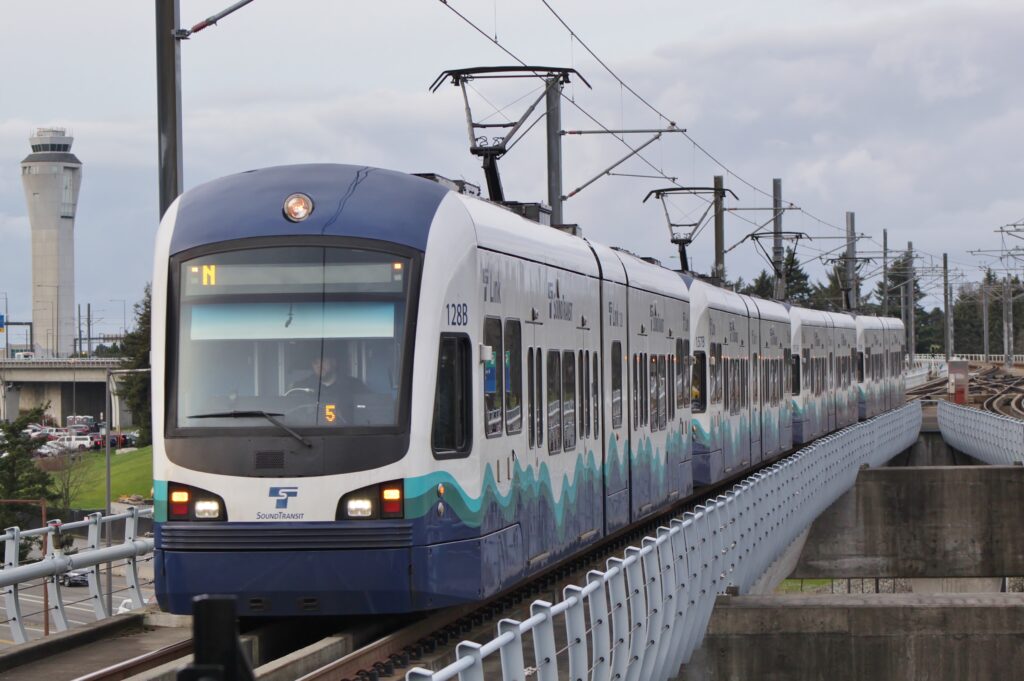
If you are visiting Seattle, an ORCA card is the simplest way to pay for most public transit. One card works across Link light rail, buses, and ferries in the region, so you do not need a separate ticket for each ride. This guide explains what ORCA is, where to get one, how to load value, how to tap, and which mistakes visitors make most often. Fares and card fees change over time, so check the official Sound Transit and ORCA guidance before you travel.
The short answer is this. Buy a card before your first ride if you can. Load enough value for the trips you plan that day. Tap the card on the reader when you board, and tap again when you exit if the system asks for an exit tap. Keep the card in an easy place, separate from other tap cards. If a reader shows an error, step aside, check the card balance, and ask station staff for help.
Seattle transit can feel complex at first because several agencies serve the same region. ORCA was built to connect them. Instead of learning a different payment rule for each bus or train, you learn one habit: tap your ORCA card. The rest of this guide fills in the details you need for a short visit, including airport trips, downtown rides, and ferry crossings.
What is an ORCA card?
ORCA is the shared transit card for the Seattle and Puget Sound region. It stores value that you can use across participating transit services. Link light rail, King County Metro buses, and Washington State Ferries are among the services visitors use most often. Sound Transit and ORCA publish the current list of participating agencies, so check that list if you plan to ride a smaller local service.
Think of ORCA as a wallet for transit, not as a ticket for one ride. You load value onto the card, then each tap deducts the fare for that trip. Some visitors prefer a physical card. Others use a phone based option where it is offered. The official ORCA guidance explains which phone and card options are available now, because that list can change. For a short trip, a physical card is often the easiest choice, since you can hand it to a travel companion or keep it in a jacket pocket.
ORCA is different from a single ride paper ticket in one important way. A paper ticket usually covers one trip on one service. An ORCA card can cover many trips across services, as long as value remains on the card. That flexibility helps when your plan changes, for example when you decide to take a bus after the light rail instead of walking in the rain.
Which rides accept an ORCA card?
Link light rail is the most common first ride for visitors. The 1 Line connects Seattle-Tacoma International Airport with downtown Seattle and neighborhoods to the north. That makes it a strong choice for an airport arrival, since you avoid parking and rental car lines. At the station, follow signs for Link light rail, not for other train services that use nearby stations.
Buses fill the gaps between light rail stations. King County Metro buses serve downtown streets and many neighborhoods. Ferries are a third option, and they are popular for day trips across Puget Sound. A ferry ride feels different from a bus ride, so confirm the boarding and tapping rule for that route before you board. The official Sound Transit and ORCA pages list current rules by mode.
Not every vehicle in Seattle accepts ORCA in the same way. Ride share cars, taxis, and some private shuttles do not use ORCA. Streetcars and commuter trains may have their own boarding rules even when ORCA is accepted. If you are unsure, look for the ORCA reader or logo at the stop, and ask the driver or station staff before you board.
Where can visitors buy an ORCA card?
Visitors can usually buy a card at a light rail station ticket machine. Airport and downtown stations are the most convenient places for a first purchase. Machines offer step by step prompts, and many offer a language choice. Give yourself extra time at the machine on your first day, especially if you arrive with luggage.
Retail stores and online ordering are also listed as general purchase options in official ORCA guidance. A retail purchase can help if you want the card before you reach a station. Online ordering needs delivery time, so it is less useful if you are already in Seattle. Check the official ORCA site for the current list of stores and for any card fee, since fees can change. Do not rely on a price you saw in an old blog post.
If you travel with family, decide whether each person needs a separate card. In general, one card is for one rider at a time. Sharing one card for two people on the same ride can cause a tap error or a missed fare. Children and youth may have separate fare rules, so check the official guidance for age based fares before you buy.
How do you load value and tap correctly?
Loading value means adding money to the card for future rides. At a station machine, choose the load option, insert the card or follow the screen prompts, and pay with an accepted payment method. Keep the receipt until you see the new balance on a reader. If you load online, allow time for the value to reach the card, since online loads may not appear at once. The official ORCA guidance states the current timing, so check it before a tight connection.
Tapping is the action that pays for the ride. Hold the card flat against the reader until you see a confirmation light or message. On buses, tap when you board. On light rail, tap at the platform reader before you board. Some trips also ask for an exit tap, which helps the system calculate the correct fare. If you skip an exit tap where one is required, you may be charged a higher default fare, so follow the signs at the station.
Keep your ORCA card separate from other tap cards in the same pocket or wallet. Two cards near one reader can confuse the reader and cause a failed tap. A simple habit helps: keep ORCA in a front pocket or a separate card sleeve. After a failed tap, step aside so other riders can board, then try once more with the card held flat and still.
| Step | What to do | Common visitor mistake |
|---|---|---|
| Buy | Get a card at a station machine or an official retail point | Waiting until the train is already at the platform |
| Load | Add value before your first ride and keep the receipt | Assuming an online load appears at once |
| Tap on | Tap at the bus reader or the platform reader before boarding | Boarding without tapping |
| Tap off | Tap again at exit where signs ask for it | Skipping an exit tap and paying a default fare |
| Check | Check balance at a machine or reader after a failed tap | Tapping two cards together in one wallet |
What mistakes do visitors make most often?
The first mistake is boarding without tapping. On light rail, there is no gate in many stations, so it is easy to walk straight to the train. A missing tap can still count as an unpaid ride. Build the habit at the platform reader, even when no one checks your card at that moment. Fare checks can happen on board.
The second mistake is forgetting an exit tap. Visitors often remember the first tap and forget the second one. Look for exit readers and signs before you leave the platform. If you are unsure whether your trip needs an exit tap, check the official guidance for that mode before you travel, or ask station staff.
The third mistake is keeping ORCA with a hotel key card or a bank card. Readers can pick the wrong card or fail to read either one. The fix is simple and costs nothing. Move ORCA to its own pocket for the ride, then put it back after you tap. This small change solves many failed taps that look like a broken card.
The fourth mistake is running out of value mid-trip. A card with a low balance may fail at the next tap. Check your balance after airport rides and before a ferry trip, since those trips can cost more than a short downtown ride. Load a little extra value if you plan several rides in one day, and keep the receipt until the balance updates.
How much should you load, and where do you check fares?
This guide does not state a fixed fare, because fares differ by mode, distance, and rider type, and they can change. Check the official Sound Transit and ORCA pages for the current fare for your exact trip. That check takes a minute and prevents the most common budget surprise on a short visit.
For planning, count your likely rides for the day. Include the airport trip, downtown trips, and any return trip. If you plan a ferry crossing, check that fare separately, since ferry fares follow different rules. Add a small buffer for one extra ride, so a changed plan does not leave you with an empty card at a station with no machine nearby.
If you use a phone based ORCA option, check whether your phone plan and device support it before you arrive. Some visitors find the physical card simpler, because it does not depend on battery or mobile data. Choose the option you can use without help, especially on arrival day when you may be tired after a flight. For station by station detail in Korean, the linked Seattle Link station guide can help you match a station to nearby neighborhoods, even if you read the English version of this guide first.
Frequently asked questions
Question: Can one ORCA card pay for two people?
Answer: In general, use one card per rider. Sharing one card on the same ride can cause a tap error. Check the official ORCA guidance for any group or family exception before you try to share a card.
Question: Do I need to tap when I exit light rail?
Answer: It depends on the trip and the station signs. Some trips ask for an exit tap to calculate the fare. Follow the signs at your exit station, and check the official Sound Transit guidance if you are unsure.
Question: What should I do if the reader shows an error?
Answer: Step aside, hold the card flat and still, and try once more with no other tap card nearby. If it still fails, check the balance at a machine and ask station staff for help. Do not block the boarding area while you retry.
Question: Where can I find a fuller ORCA overview before my trip?
Answer: Start with the official Sound Transit and ORCA pages for fares and current rules. For a Korean language overview of issuance, loading, and fares, see the Seattle ORCA card overview post on this site.
Your 3-Step Checklist for Today
- Check the official Sound Transit and ORCA pages for the current fare for your first trip.
- Buy a card, load value for the day, and keep ORCA separate from other tap cards.
- Tap on before boarding, tap off where signs ask for it, and check your balance after a failed tap.