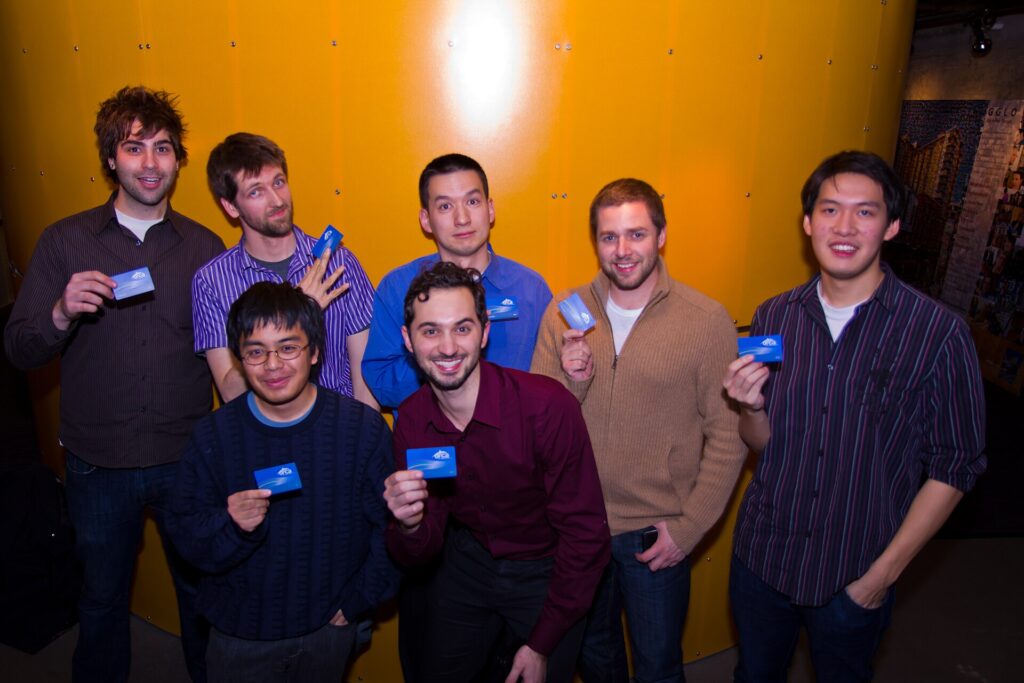
If you are visiting or moving to Seattle, the ORCA card is the one thing that makes the region’s public transit simple. It is a single smart card accepted on Link light rail, King County Metro buses, the Seattle Streetcar, Sounder trains, ferries, and water taxis across the Puget Sound region. Here is the short version: an adult card costs $3, a ride on the Link light rail from SeaTac Airport to downtown costs a flat $3.00, and riders 18 and under ride free.
This ORCA card Seattle guide walks you through everything in seven steps: which card you need, where to buy it, how to load money, what rides cost, and the contactless option that lets you skip the card entirely.
What is an ORCA card?
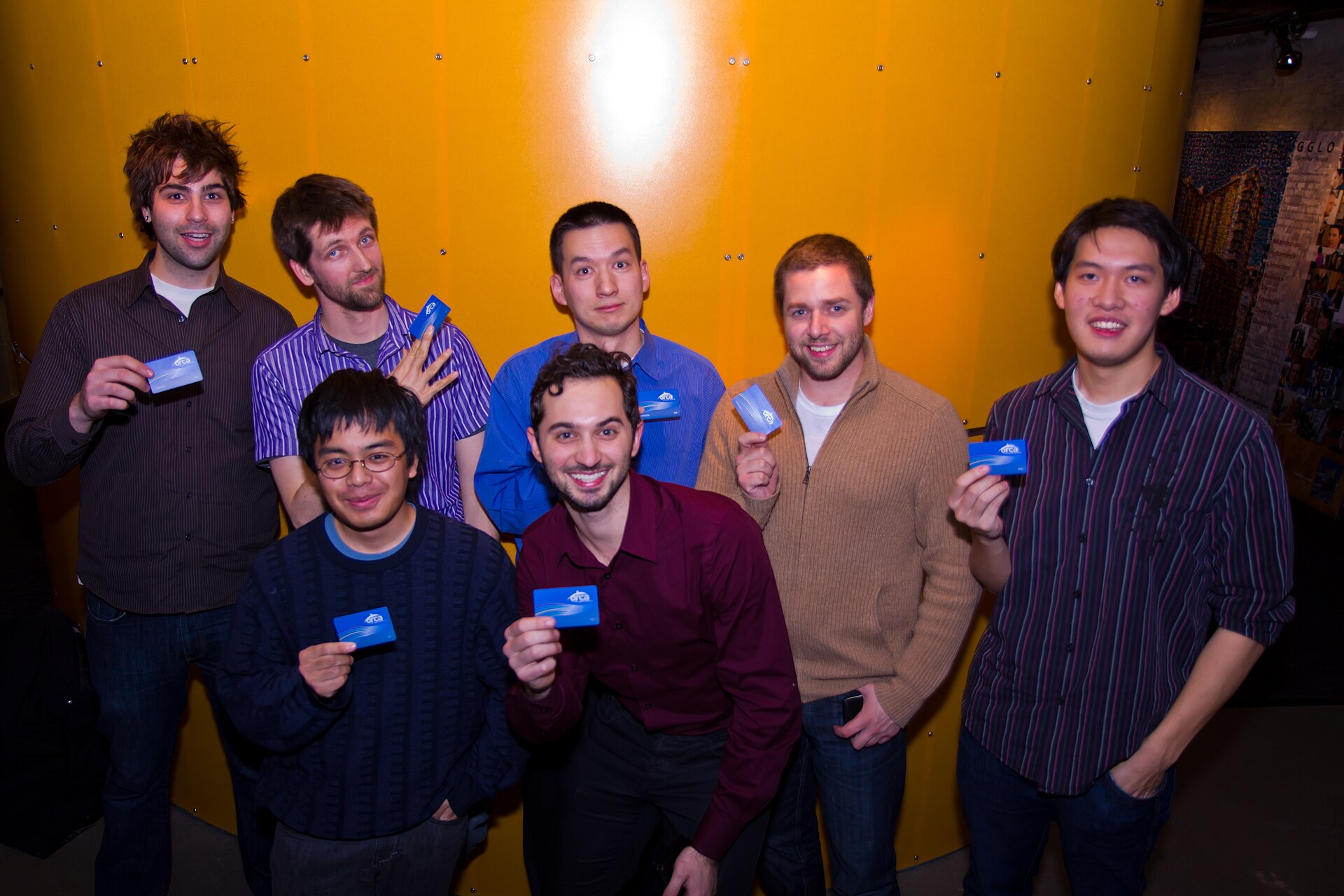
ORCA (One Regional Card for All) is the Puget Sound region’s unified transit fare card. Instead of buying separate tickets for each agency, you load money or a pass onto one card and tap it on card readers when you board. It works on:
- Link light rail (Sound Transit) — including the 1 Line from SeaTac Airport to downtown Seattle
- Buses — King County Metro, Sound Transit Express, Community Transit, Pierce Transit, Everett Transit
- Seattle Streetcar, Sounder commuter trains, King County Water Taxi, and Washington State Ferries (passengers only, not cars)
The system runs on myORCA (myorca.com and the myORCA app), where you can order cards, add money instantly, and manage everything online. Android users can also add a digital ORCA card to Google Wallet and tap their phone or watch.
Step 1: Which ORCA card do you need?
There are four main card types. Most visitors and new residents need the Adult card.
| Card type | Who it is for | Card price | Link light rail fare |
|---|---|---|---|
| Adult | Ages 19–64 | $3 new / $3 replacement | $3.00 |
| Youth | Ages 6–18 | Free | Free |
| Senior (RRFP) | Ages 65+ | First card free | $1.00 |
| ORCA LIFT | Lower-income riders who qualify | Free | $1.00 |
Youth 18 and under ride free across the region — with a Youth ORCA card, a school student ID, or another form of ID. Children 5 and under ride free with a paying adult and do not need a card. Seniors apply for the Regional Reduced Fare Permit (RRFP) online at myorca.com, by mail, or in person; no photo is required.
Sources: myorca.com program guide and fare pages (checked October 2026). Fares can change; confirm current prices at myorca.com before you travel.
Step 2: Where can you get an ORCA card?
You have several options, and the fastest one depends on where you are:
- Ticket vending machines — at Link light rail stations, including SeaTac/Airport Station. This is the quickest option if you just landed and need to get downtown.
- Online at myorca.com or the myORCA app — order an Adult, Senior, or Youth card by mail (arrives in about 7–10 days).
- In person — ORCA customer service offices, participating retail stores, and the Metro Pass Sales Office in downtown Seattle.
- Digital card in Google Wallet — Android users can add a new adult ORCA card ($3) or convert an existing plastic card directly in Google Wallet. The myORCA app manages your cards but cannot be used to tap and pay.
Step 3: How do you load money or a pass?
ORCA uses an E-purse — an electronic wallet on the card that works like a prepaid debit card. You can load $5 to $400 onto it, and the correct fare is deducted each time you tap. Add value at myorca.com, in the myORCA app, at vending machines, at customer service offices, or by phone at 888-988-6722. Online and app loads are instant.
Frequent riders can also buy a monthly PugetPass (for example, the $3.00 PugetPass at $108/month covers unlimited rides on services with fares up to $3). You can keep both a pass and E-purse money on the same card — the E-purse covers any fare above your pass value.
Step 4: How much does it cost to ride?
Seattle-area transit uses simple flat fares in most cases:
- Link light rail (adult): flat $3.00 per ride — this includes SeaTac Airport to downtown Seattle, about a 35–40 minute ride with no transfers.
- Link light rail (senior / ORCA LIFT): $1.00 per ride.
- Youth 18 and under: free.
- Regional day pass: covers unlimited rides for a day on services with fares up to $3.00 (adult), available at vending machines, myorca.com, or the app.
Each rider needs their own card or payment method — one card cannot pay for two people.
Step 5: Do you even need a card? Try tap-to-pay
If you are only in Seattle for a few days, you may not need an ORCA card at all. The region now accepts contactless payments: tap a Visa, Mastercard, Discover, or American Express credit or debit card — or a phone with Apple Pay, Google Pay, or Samsung Pay — directly on the ORCA reader.
Contactless riders are charged the adult fare and still get the 2-hour transfer benefit. The catch: no discounted fares (senior, youth, ORCA LIFT) and no passes, and it is not accepted on the Seattle Monorail, Washington State Ferries, or some paratransit services. If you qualify for a discount, keep using an ORCA card.
Step 6: How do transfers work?
ORCA automatically gives you a two-hour transfer window. The fare you paid on your last ride counts toward your next ride within two hours — for example, if you ride a bus and then transfer to the $3.00 Link light rail, you only pay the difference. If you load a monthly pass, transfers within its value are seamless.
One important exception: on Sounder commuter trains, always tap on AND tap off. If you forget to tap off, you will be charged the maximum fare for that line. On Link light rail and buses, tapping on is enough.
Tap rules by transit mode: one table to remember
Different services have different tap and fare rules. The Seattle Center Monorail is the notable exception — it charges a separate fare every time.
| Service | Tap on | Tap off | 2-hour transfer | Notes |
|---|---|---|---|---|
| King County Metro bus | Yes | No | Yes | Standard regional rules |
| Link light rail | Yes | No | Yes | Flat $3.00 adult fare |
| Sounder train | Yes | Yes — required | Yes | No tap-off = maximum fare charged |
| Seattle Streetcar | Yes | No | Yes | Standard regional rules |
| Seattle Center Monorail | Yes | n/a | No | $4.00 per tap, full fare each ride; tap-to-pay credit cards accepted |
| Washington State Ferries | Yes (passengers) | n/a | Limited | ORCA covers passengers only, not vehicles; contactless tap-to-pay not accepted |
Monorail fare details: Seattle Monorail official blog (August 2026 update). Ferry and transfer rules: myorca.com.
Which option saves you money? Two quick scenarios
- Tourist, one busy day: three Link rides ($9.00) plus two bus rides — a regional day pass (covers rides up to $3.00) usually beats paying per ride. Load E-purse on top for anything above $3.00.
- Commuter, five days a week: at two $3.00 rides a day (~$120+/month), the $3.00 monthly PugetPass ($108) pays for itself in about three and a half weeks, with E-purse covering any higher-fare trips.
Step 7: Getting from SeaTac Airport to downtown
This is the trip most visitors make first, and the light rail is the easy answer. From SeaTac/Airport Station (a short walk from the terminal via the skybridge), take the 1 Line toward Lynnwood. No transfers, no traffic — about 35–40 minutes to Westlake Station in downtown Seattle for $3.00.
Buy an ORCA card at the station vending machine before you board, or just tap your contactless credit card on the reader. Either way, keep your card or phone handy in case fare enforcement asks to see proof of payment.
Quick tips before you ride
- Remove your ORCA card from your wallet before tapping — tapping through a wallet can charge the wrong card or fail.
- If you carry both a digital ORCA card and a credit card in Google Wallet, the reader defaults to the ORCA card.
- Lost your registered card? Log in at myorca.com to block it and transfer the balance to a replacement.
- Keep some E-purse money loaded even if you have a pass — it covers fare differences automatically.
ORCA card Seattle FAQ
Do I need to tap off on the light rail?
No — on Link light rail and buses, tapping on is enough. Only Sounder commuter trains require tapping off; skipping it means you are charged the maximum fare.
Can one ORCA card pay for two people?
No. Each rider needs their own card, digital card, or contactless payment method. This applies to tap-to-pay credit cards too — one card or device per rider.
Can I use my credit card instead of buying an ORCA card?
Yes, on most services. Tap a contactless Visa, Mastercard, Discover, or Amex card (or Apple Pay / Google Pay / Samsung Pay) on the ORCA reader. You will be charged the adult fare with the 2-hour transfer benefit, but discounted fares and passes are not available this way.
What should I do if I lose my ORCA card?
If your card was registered at myorca.com, log in to block the lost card and transfer the remaining balance and passes to a replacement card. Unregistered cards cannot be recovered, so register your card as soon as you get it.
Is public transit free for kids in Seattle?
Yes — riders 18 and under ride free on nearly all regional transit with a Youth ORCA card, a school student ID, or other ID. Children 5 and under ride free with a paying adult.
What is the cheapest option for a senior visitor?
Seniors 65+ can get a Regional Reduced Fare Permit (RRFP) — the first card is free and rides like the Link light rail cost $1.00. Apply online at myorca.com or in person with an ID showing your birthdate.
Sources: myorca.com (official ORCA card Seattle site), info.myorca.com fare pages, King County Metro ORCA page — all checked October 2026. Fares and programs can change; verify at myorca.com before traveling.